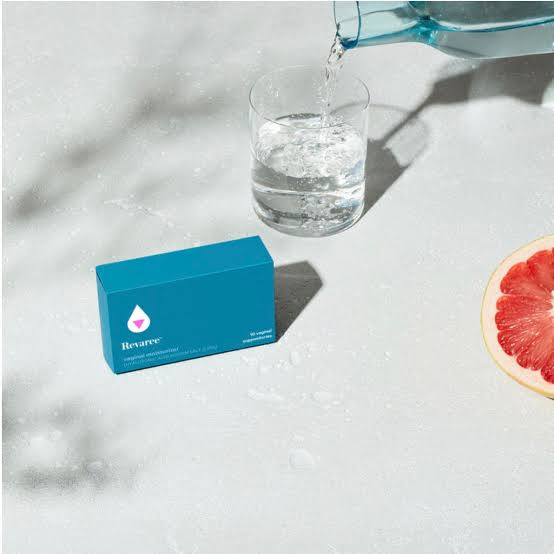
Women considering the use of Revaree may wonder whether it affects body weight, metabolism, or hormonal balance.
Revaree is not known to cause weight gain. There is currently no established scientific evidence linking Revaree to increased body fat, appetite changes, or significant fluid retention. Unlike hormone-based treatments, Revaree contains hyaluronic acid, which helps maintain moisture in vaginal tissues without introducing estrogen or progesterone into the body.
Understanding how Revaree works, its potential side effects, and the factors contributing to weight changes during menopause can help clarify these concerns.
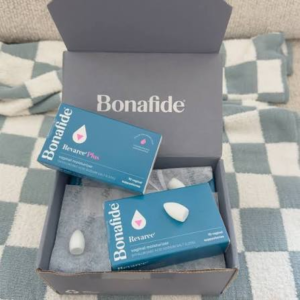
Does Revaree Cause Weight Gain?
Weight gain is not a recognized side effect of Revaree. There is no established clinical evidence showing that hyaluronic acid vaginal inserts increase body weight or cause fat accumulation.
Several characteristics explain why Revaree is unlikely to contribute to weight gain.
1. Revaree Is Hormone-Free
Revaree does not contain estrogen, progesterone, or other reproductive hormones. Instead, it relies on hyaluronic acid to improve vaginal hydration.
Its mechanism does not directly affect hormonal pathways responsible for appetite, metabolism, or fat distribution.
Although hormonal changes during menopause can influence body composition, Revaree itself is not expected to cause these changes.
2. Hyaluronic Acid Works Locally
Hyaluronic acid attracts water to help maintain tissue moisture. When used vaginally, it primarily acts on the vaginal lining rather than throughout the body.
This localized effect is not known to cause generalized fluid retention, increased body fat, or changes in overall body weight.
The moisture-retaining properties of hyaluronic acid should not be confused with systemic water retention.
3. No Established Effects on Appetite or Metabolism
Some medications contribute to weight gain by increasing appetite or altering energy expenditure.
Revaree has no established mechanism that would be expected to increase hunger, slow metabolism, or promote fat storage.
However, research specifically evaluating body weight during Revaree use is limited. Therefore, weight gain is best described as not a known effect, rather than an impossible one.
Why Might Weight Gain Occur While Using Revaree?
Women using Revaree may experience weight changes because the product is commonly used during menopause, a period associated with changes in hormones and body composition.
Several factors may explain these changes.
Hormonal fluctuations: Declining estrogen levels during menopause can influence fat distribution, particularly around the abdomen. These changes may occur independently of vaginal moisturizer use.
- Age-related muscle loss: Muscle mass naturally declines with age, potentially reducing daily energy expenditure and making weight management more challenging.
- Reduced physical activity: Fatigue, sleep disturbances, and joint discomfort may limit exercise and contribute to gradual weight gain.
- Other medications: Certain antidepressants, corticosteroids, and other medications may affect appetite, metabolism, or fluid balance.
- Underlying health conditions: Thyroid disorders and other medical conditions can contribute to unexplained weight changes.
Because these factors may occur alongside Revaree use, a temporal association does not necessarily indicate that the product caused the weight gain.
Can Revaree Cause Bloating or Water Retention?
Revaree is not known to cause abdominal bloating or systemic water retention.
Although hyaluronic acid binds water, its purpose in Revaree is to hydrate vaginal tissues. This does not mean it increases fluid accumulation throughout the body.
Bloating experienced during menopause may instead result from hormonal fluctuations, constipation, dietary changes, digestive conditions, or other medications.
Persistent bloating, especially when accompanied by pelvic pain or unusual urinary symptoms, should be medically evaluated.
Sudden weight gain associated with swelling or shortness of breath also requires prompt medical attention.
Does Revaree Affect Estrogen Levels?
Revaree does not contain estrogen and is not designed to increase or decrease estrogen levels.
During menopause, declining estrogen can cause vaginal tissues to become thinner, drier, and less elastic. This may contribute to genitourinary syndrome of menopause (GSM).
Unlike vaginal estrogen therapies, which address estrogen-related tissue changes, Revaree provides moisture through hyaluronic acid.
This makes it a nonhormonal option for women seeking relief from vaginal dryness. However, persistent or severe symptoms may require additional treatment.
Managing Weight Changes During Menopause
Women concerned about weight gain while using Revaree can focus on factors more commonly associated with midlife weight changes.
Regular exercise, particularly resistance training, helps preserve muscle mass and support metabolic health. Balanced nutrition, adequate protein intake, and consistent sleep habits can also contribute to healthy weight management.
Monitoring weight trends over several weeks is generally more informative than focusing on daily fluctuations.
If weight gain is unexpected or substantial, a healthcare professional can assess potential causes, including medication effects and underlying medical conditions.
Conclusion
Revaree is not known to cause weight gain, increased appetite, metabolic changes, or generalized fluid retention. Its primary ingredient, hyaluronic acid, works locally to improve vaginal hydration without introducing reproductive hormones.
Although weight changes may occur while using Revaree, particularly during menopause, they are more likely to be associated with aging, hormonal changes, lifestyle factors, or underlying health conditions.
Current evidence does not establish a connection between Revaree and weight gain. Women experiencing unexplained weight changes should consult a healthcare professional to identify possible causes and determine whether continued Revaree use is appropriate.
Related posts:
Can You Use Revaree and Estradiol Together? Benefits, Safety, and How to Use Them
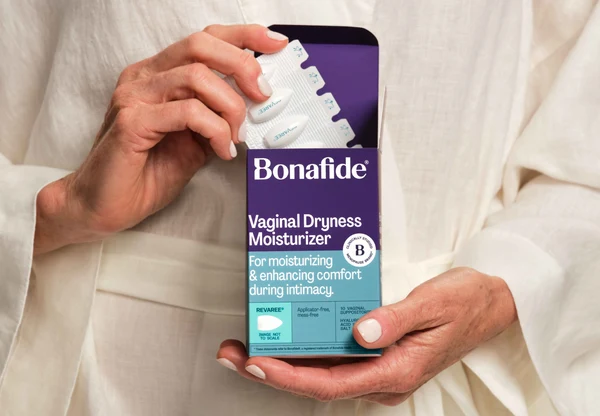
Is Revaree Safe for Oral Sex? What You Should Know
Revaree Ingredients and Their Role in Vaginal Moisturization
How Long Can You Use Revaree? Duration, Frequency, and Long-Term Safety