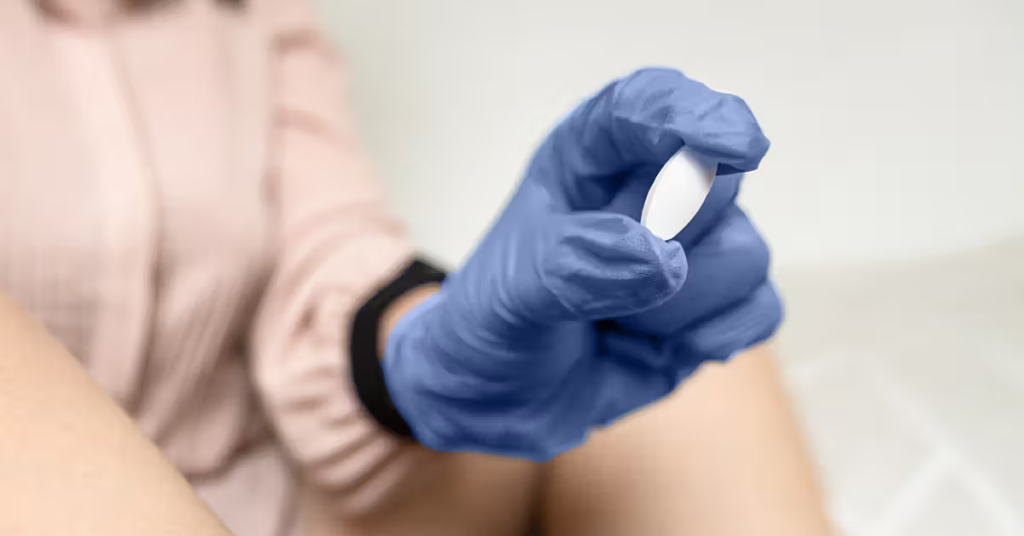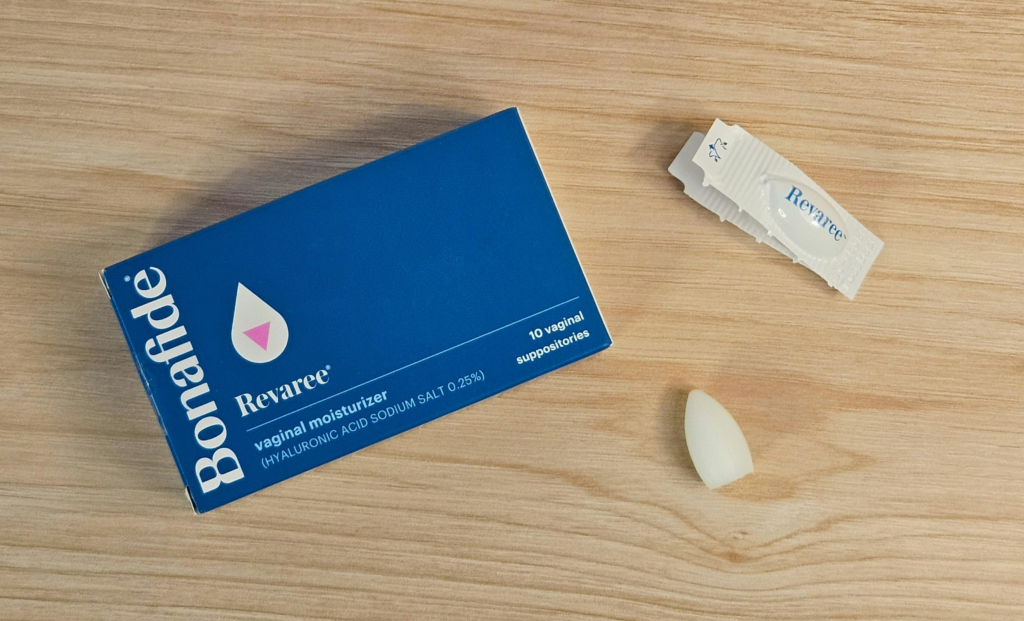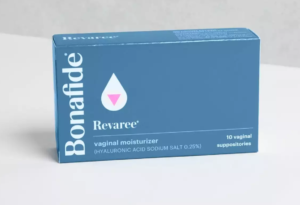
For many people, Revaree may be a suitable option when used according to the manufacturer’s instructions. However, its safety depends on individual circumstances, sensitivities, and the cause of vaginal symptoms. Although it is non-hormonal, this does not mean that side effects or irritation are impossible.
What Are the Possible Side Effects of Revaree?
Revaree is generally well tolerated, but some users may experience:
- Vaginal irritation: Burning, stinging, itching, or discomfort.
- Increased discharge or residue: Temporary residue as the vaginal insert dissolves.
- Ingredient sensitivity: Allergic reactions or irritation from certain ingredients.
These effects are not necessarily common or confirmed rates for Revaree specifically. Stop using the product if symptoms worsen or persist, and consult a healthcare professional if you experience severe irritation, unusual discharge, or swelling.
Is Revaree Safe for Long-Term Use?
Revaree is designed for repeated use according to its product instructions. Nevertheless, the amount of available evidence on long-term use may not answer every safety question for every individual.
People who use Revaree regularly should monitor their symptoms and follow the recommended application schedule. If vaginal dryness continues despite consistent use, a healthcare professional can help determine whether another treatment or an assessment of the underlying cause is necessary.
Long-term or worsening symptoms should not automatically be attributed to menopause or dryness. Conditions such as vaginal infections, vulvar skin disorders, and genitourinary syndrome of menopause may require different approaches. Visit this page to learn more how long you can use Revaree?
Who Should Be Careful Before Using Revaree?
Although Revaree is non-hormonal, some people should seek professional advice before starting it.
- People with a history of breast cancer: Revaree does not contain estrogen, but individuals receiving hormone-sensitive cancer treatment should discuss vaginal symptoms and suitable products with their oncology team.
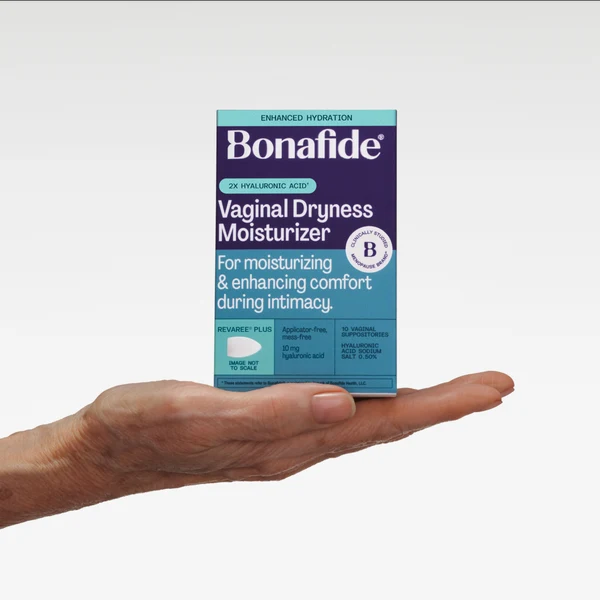
- People with allergies: Check the ingredients of the specific formulation. Revaree products may differ, and Revaree Plus, for example, contains sweet almond oil, which is relevant for people with almond allergies.
- People with unexplained vaginal bleeding: Unexpected bleeding, especially after menopause, should be assessed by a healthcare professional rather than treated with a moisturizer alone.
- People with unusual vaginal symptoms: Persistent pain, foul-smelling discharge, sores, or significant itching may indicate a condition that requires diagnosis and specific treatment.
Pregnant or breastfeeding individuals should also consult a healthcare professional if they are unsure whether the product is appropriate for their circumstances.
Does Revaree Have Hormonal Risks?
One potential advantage of Revaree is that it is a non-hormonal product. It does not work by supplying estrogen to vaginal tissues. This may make it an option for people who prefer to try a non-hormonal moisturizer before considering other treatments.
However, Revaree should not automatically be considered a replacement for vaginal estrogen or other prescribed treatments. The most appropriate option depends on the severity of symptoms, medical history, and treatment goals. Evidence supporting the benefits and risks of one treatment should not automatically be applied to another.
How Can You Use Revaree Safely?
To help minimize potential problems, follow these precautions:
- Read the package instructions carefully and use the product as directed.
- Check the ingredients for substances that may cause an allergic reaction.
- Avoid continuing use if you experience persistent burning, itching, or worsening discomfort.
- Seek medical advice if symptoms persist or return despite regular use.
- Consult a healthcare professional if you have unexplained bleeding, unusual discharge, or symptoms that could indicate an infection.
If you use other vaginal products or medications, ask a pharmacist or healthcare professional whether they can be used alongside Revaree.
Final Verdict: Is Revaree Safe?
Revaree may be a suitable non-hormonal option for vaginal dryness for many people when used as directed. Its hyaluronic acid formulation is intended to help retain moisture and relieve discomfort, without introducing estrogen.
However, no vaginal product is completely free of potential risks. Irritation, sensitivity to ingredients, and other unexpected symptoms are possible. Additionally, evidence about long-term use and the frequency of product-specific side effects should be considered when evaluating its safety.
If you are experiencing mild vaginal dryness, Revaree may be worth discussing with your healthcare professional. If you have persistent symptoms, a history of hormone-sensitive cancer, allergies, or unexplained vaginal bleeding, seek individualized advice before using it.
Ultimately, the safest approach is to choose a treatment that addresses the cause of your symptoms, follow the product instructions, and seek medical advice when symptoms are persistent, severe, or unusual.