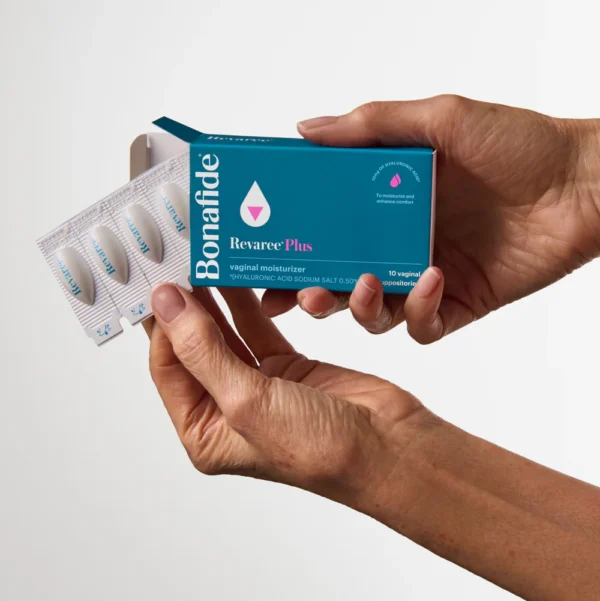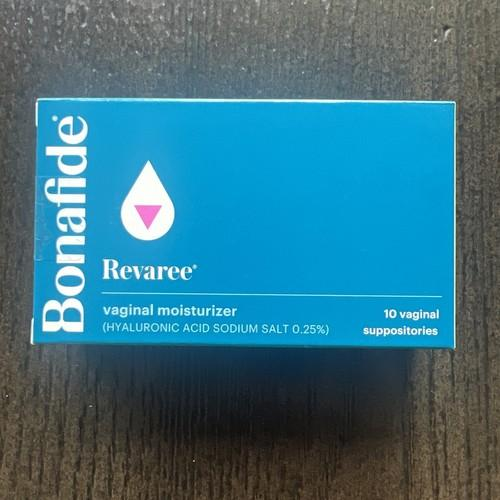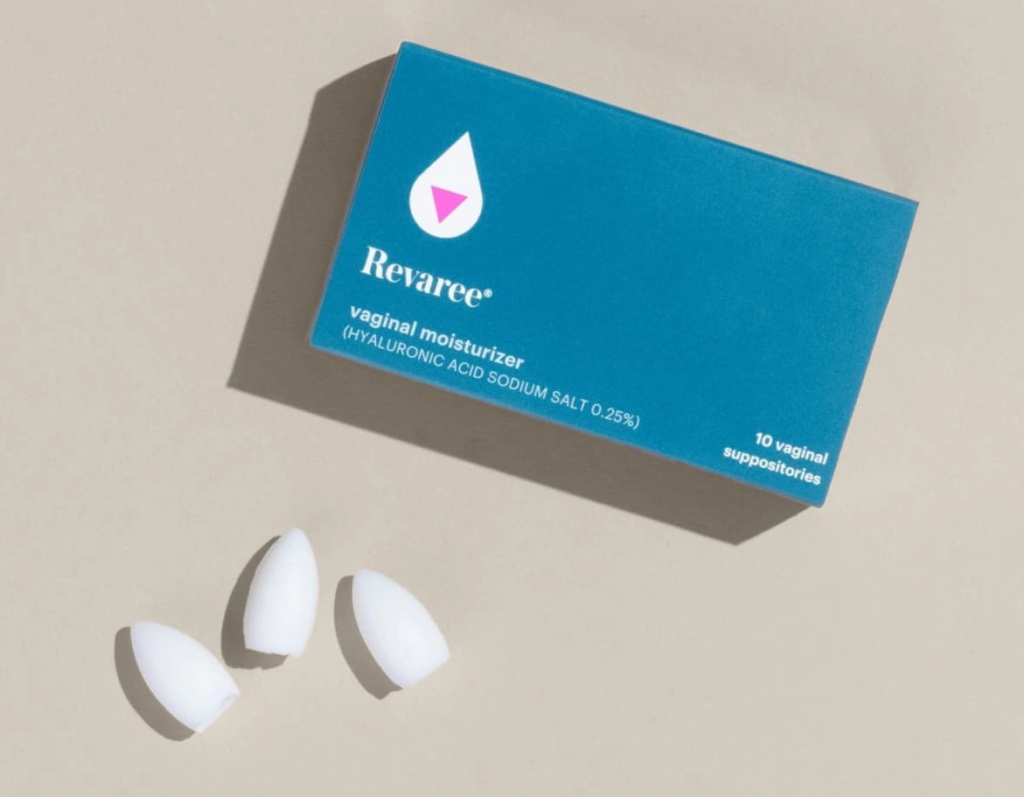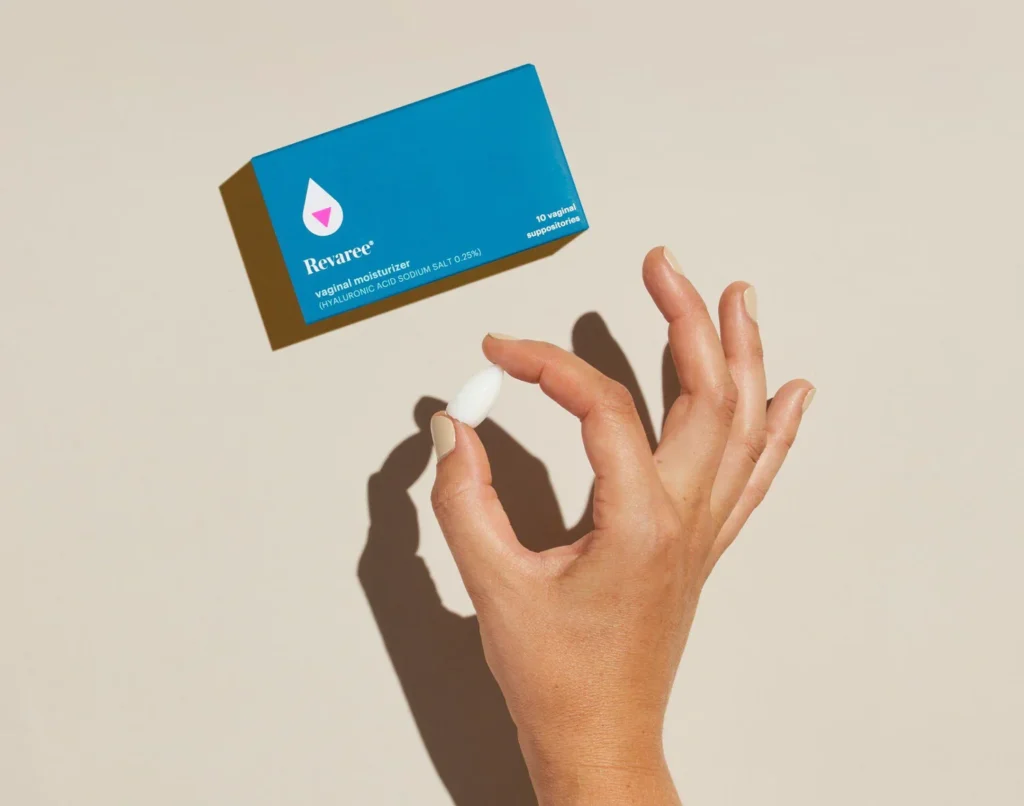
While Revaree is generally well tolerated, some women notice increased vaginal wetness or discharge after using the product. This can raise questions about whether the discharge is normal, how long it lasts, and whether it indicates an unwanted side effect.
Yes, Revaree can cause temporary vaginal discharge, particularly as the suppository dissolves and releases its moisturizing ingredients. This discharge is usually harmless and may appear watery, white, or slightly creamy. However, understanding the difference between normal product residue and abnormal vaginal discharge is important for identifying potential irritation or infection.
Why Does Revaree Cause Vaginal Discharge?
Revaree is formulated as a vaginal insert that gradually dissolves after insertion. Its primary ingredient, hyaluronic acid, helps maintain moisture in vaginal tissues by binding to water molecules. This moisturizing action can improve vaginal hydration and reduce dryness-related discomfort.
As the suppository dissolves, some of its ingredients may mix with natural vaginal fluids. Any excess material that is not retained inside the vagina may eventually leak out, creating the appearance of increased discharge.
Several factors can influence how much discharge occurs, including the amount of natural vaginal moisture, the timing of application, and individual differences in how the product dissolves.
It is important to distinguish between actual vaginal secretions and product residue. Revaree does not necessarily stimulate the vagina to produce more natural discharge. Instead, the additional wetness may simply result from the dissolved moisturizer leaving the vaginal canal.
For many users, this is an expected consequence of using a vaginal suppository rather than a sign that something is wrong.
What Does Normal Discharge From Revaree Look Like?
The appearance of discharge after using Revaree can vary. Some women experience noticeable moisture, while others report little or no leakage.
Normal product-related discharge may have several characteristics.
Clear or Watery Discharge
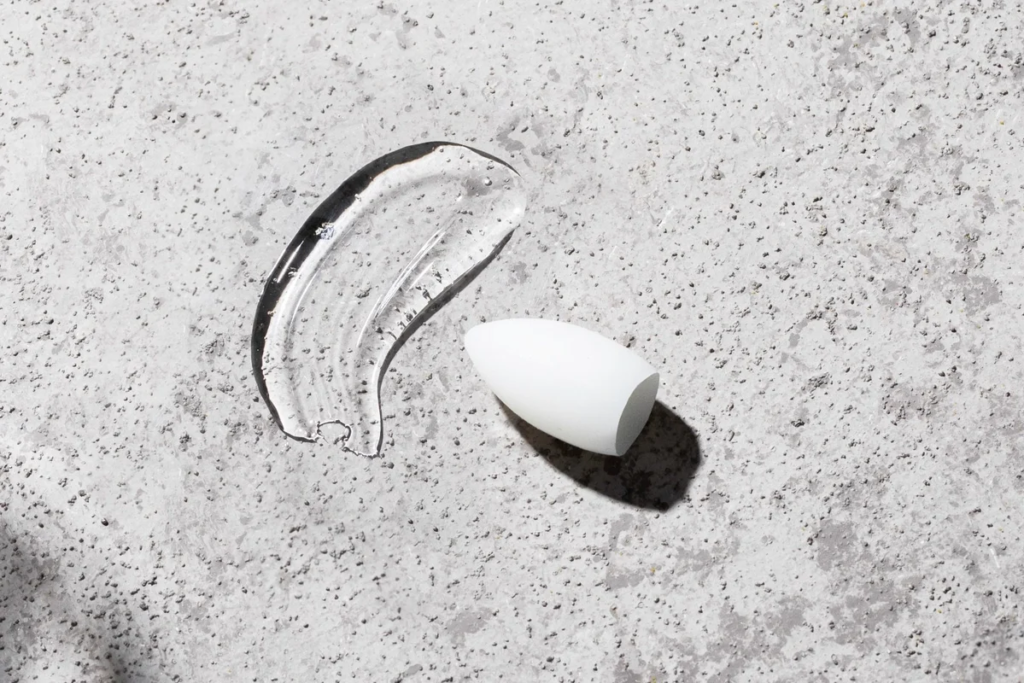
Watery discharge is one of the possible experiences after applying a vaginal moisturizer. As Revaree dissolves, moisture and dissolved ingredients can move toward the vaginal opening.
This discharge may feel similar to natural vaginal lubrication and can occasionally leave damp spots on underwear.
Clear or watery discharge without itching, burning, pain, or an unpleasant odor is generally less concerning, particularly when it appears shortly after application.
White or Creamy Discharge
Some women may notice white or slightly creamy discharge after using Revaree. This can occur when dissolved product residue mixes with natural vaginal fluids.
The consistency may vary from thin and milky to somewhat thicker, depending on how much product remains and the amount of existing vaginal moisture.
However, white discharge is not always caused by Revaree. If it becomes thick and clumpy, particularly when accompanied by itching or irritation, a vaginal yeast infection may be responsible.
Slightly Sticky Discharge
A slightly sticky or slippery sensation may also occur as the moisturizing formulation dissolves and interacts with vaginal fluids.
This sensation is not necessarily abnormal. Hyaluronic acid is designed to retain moisture, and the resulting hydrated material may feel different from ordinary vaginal secretions.
If the discharge is mild and disappears without additional symptoms, it is generally not a reason for concern.
How Long Does Discharge Last After Using Revaree?
Discharge associated with Revaree is usually temporary. Some users may notice leakage within a few hours of insertion, while others may experience residual moisture the following morning.
The exact duration varies because the suppository’s dissolution and the movement of excess material differ between individuals.
Revaree is commonly used at bedtime, which allows the product to remain in place while the user is lying down. However, even with nighttime application, some residue may become noticeable after getting out of bed.
In general, discharge that appears shortly after application and gradually decreases is more consistent with product leakage.
Discharge that continues for several days, becomes progressively heavier, or develops an unusual appearance should not automatically be attributed to Revaree.
If symptoms persist despite stopping the product, medical evaluation may be appropriate.
Does Revaree Increase Natural Vaginal Discharge?
Revaree is intended to improve vaginal hydration rather than directly increase the production of natural vaginal secretions.
Hyaluronic acid works by attracting and retaining moisture. This can help vaginal tissues feel less dry and may improve comfort during everyday activities and intimacy.
However, increased moisture from a vaginal moisturizer is not the same as increased secretion from vaginal glands.
Some women may interpret the additional wetness as increased natural discharge, particularly if they previously experienced significant vaginal dryness.
The distinction matters because product-related moisture is generally associated with the timing of application, whereas natural vaginal discharge may fluctuate due to hormonal changes, menstrual cycles, sexual activity, and other physiological factors.
For women experiencing menopause-related vaginal dryness, Revaree may improve moisture without restoring the hormonal processes that previously influenced vaginal secretions.
Is Discharge After Using Revaree a Side Effect?
Temporary leakage or discharge can occur with vaginal suppositories because their ingredients dissolve inside the vagina.
Although some users may consider this an inconvenience, product leakage alone does not necessarily indicate an adverse reaction.
However, Revaree may not be suitable for everyone. Individual sensitivity to an ingredient or irritation from vaginal products can sometimes cause discomfort.
Symptoms that deserve attention include persistent burning, itching, swelling, redness, or increasing vaginal discomfort.
If these symptoms develop after applying Revaree, discontinue use and consult a healthcare professional before using it again.
It is also important to recognize that vaginal infections can develop independently of Revaree use. The appearance of discharge after starting a new product does not establish that the product caused the problem.
When Is Revaree Discharge Not Normal?
While mild discharge may be expected, changes in color, odor, texture, or accompanying symptoms can indicate another condition.
The following table explains some common differences between product-related discharge and symptoms that may require evaluation.
| Discharge or symptom | Possible explanation |
|---|---|
| Clear, watery discharge shortly after insertion | Dissolved moisturizer or normal vaginal fluid |
| Mild white or creamy discharge without discomfort | Possible product residue |
| Thick, clumpy white discharge with itching | Possible yeast infection |
| Thin gray discharge with a fishy odor | Possible bacterial vaginosis |
| Yellow or green discharge with irritation | Possible infection, including a sexually transmitted infection |
| Discharge with pelvic pain or bleeding | Requires medical assessment |
These descriptions are general indicators rather than diagnostic criteria. The appearance of discharge alone cannot reliably identify its cause.
An unpleasant odor, persistent itching, painful urination, or discomfort during intercourse may indicate an underlying vaginal condition.
Seek prompt medical attention for severe pelvic pain, fever, or significant bleeding. Any unexplained vaginal bleeding after menopause should also be evaluated.
Should You Stop Using Revaree If You Experience Discharge?
Mild, temporary discharge without other symptoms does not automatically mean that Revaree needs to be discontinued.
If the discharge appears shortly after insertion, has no unusual odor, and resolves on its own, it may simply represent normal product leakage.
However, stopping the product and seeking medical advice is appropriate if discharge is accompanied by persistent itching, burning, swelling, pain, or other signs of irritation.
If discharge is excessive enough to interfere with everyday comfort, a healthcare professional can also help determine whether a different vaginal moisturizer or treatment approach would be more suitable.
Women with recurring vaginal infections, unexplained bleeding, or persistent vaginal symptoms should obtain medical guidance before continuing treatment.
Conclusion
Revaree can cause temporary vaginal discharge, particularly watery, white, or slightly creamy leakage as the suppository dissolves. This is usually related to the moisturizing formulation and does not necessarily indicate an infection or harmful side effect.
The amount and duration of discharge vary between users. Some women may notice slight dampness shortly after application, while others may experience leakage the following morning.
Using Revaree at bedtime, following the recommended instructions, and wearing a breathable pantyliner when necessary may help manage occasional leakage.
However, discharge with an unpleasant odor, unusual color, persistent itching, burning, pelvic pain, or bleeding should not be dismissed as a normal reaction to Revaree. These symptoms may indicate irritation or an underlying condition requiring medical attention.
Ultimately, mild discharge after Revaree application is often a normal consequence of using a vaginal moisturizer. Understanding what to expect can help users distinguish harmless product residue from symptoms that deserve further evaluation.