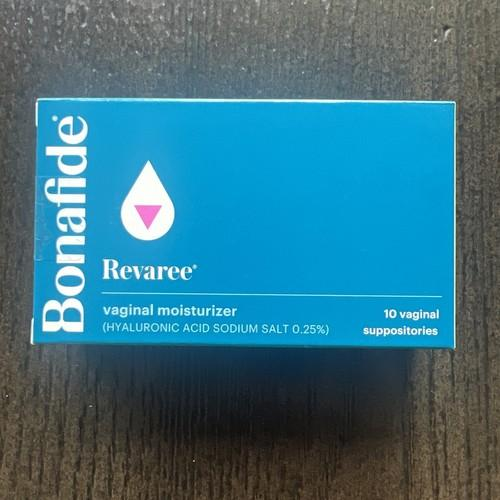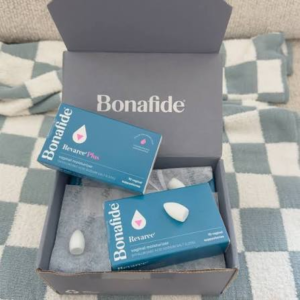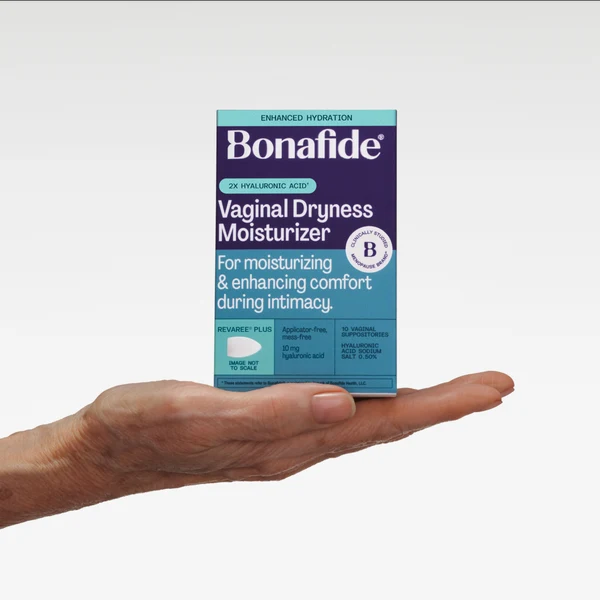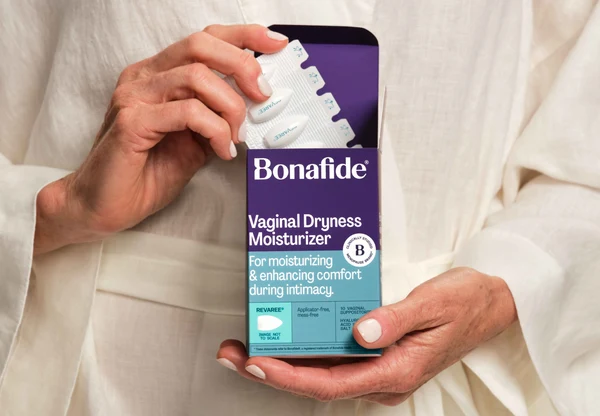
Yes, Revaree can work for vaginal dryness, particularly when dryness is associated with menopause, perimenopause, or declining estrogen levels. However, its effectiveness varies depending on the severity of symptoms, the underlying cause, and how consistently it is used.
Revaree is a hormone-free vaginal moisturizer made with hyaluronic acid, a substance naturally present in the body that helps retain moisture and support tissue hydration. Unlike vaginal estrogen treatments, Revaree does not replace hormones. Instead, it works locally to improve lubrication and reduce dryness-related discomfort.
Although some clinical research supports the use of hyaluronic acid for vaginal dryness, the evidence specifically supporting Revaree is more limited. Understanding what the product can realistically accomplish is important before deciding whether it is worth trying.
How Does Revaree Work?
Revaree comes in the form of a vaginal insert that dissolves after insertion, releasing hyaluronic acid directly onto the vaginal tissues. Hyaluronic acid attracts and retains water, helping improve moisture levels and potentially reducing friction and irritation.
This moisturizing action may help relieve symptoms such as vaginal tightness, burning, itching associated with dryness, and discomfort during sexual intercourse.
Unlike conventional lubricants, which primarily reduce friction during sexual activity, Revaree is designed to provide ongoing moisture between applications.
The manufacturer generally recommends using one insert every two to three days, although users should follow the current product instructions.
What Does Scientific Research Say?
Research suggests that hyaluronic acid vaginal products can provide meaningful relief.
A 2024 randomized pilot study involving 49 women compared vaginal hyaluronic acid with vaginal estrogen over 12 weeks. Both groups experienced symptom improvements, and more than 90% of participants who completed the study reported improvement. However, this was a small study, and the findings should not be interpreted as a guaranteed success rate for Revaree.
A 2026 systematic review and meta-analysis of 11 randomized studies also found encouraging evidence that vaginal hyaluronic acid improves dryness-related quality of life and sexual function. The researchers emphasized that formulations and treatment protocols varied between studies.
Importantly, these studies evaluated hyaluronic acid products generally, not necessarily Revaree itself.
How Long Does Revaree Take to Work?
Some users may notice improved moisture after the first few applications, but more consistent symptom relief can take several weeks.
A reasonable trial is approximately four to eight weeks of regular use, while monitoring changes in dryness, irritation, and discomfort during intercourse.
If symptoms persist, worsen, or include unusual discharge, bleeding, or significant pain, medical evaluation is appropriate rather than continuing treatment without investigating the cause.
What Revaree Can and Cannot Do
| Potential benefits | Limitations |
|---|---|
| Relieves vaginal dryness | Does not restore estrogen levels |
| May reduce friction-related discomfort during sex | Does not treat every cause of painful intercourse |
| Provides hormone-free moisturizing | Does not reliably reverse vaginal tissue thinning |
| May reduce irritation caused by dryness | Does not treat vaginal infections |
| Can be used regularly for symptom management | Benefits may require continued use |
The American College of Obstetricians and Gynecologists recognizes vaginal moisturizers as an option for menopause-related dryness, while noting that they do not restore vaginal tissue thickness or elasticity in the same way as local estrogen therapy.
Is Revaree Worth Trying?
Revaree is a reasonable option for people experiencing mild to moderate vaginal dryness, especially those who prefer a hormone-free treatment. Learn how to properly use Revaree by going to this page.
It may be particularly useful when dryness is the primary concern. However, individuals with severe menopausal vaginal symptoms, recurring urinary problems, or persistent painful intercourse may benefit more from discussing prescription treatments with a healthcare professional.
The bottom line: Revaree has a scientifically plausible mechanism, and research on vaginal hyaluronic acid supports its potential effectiveness. However, direct evidence for Revaree itself is limited, and it should be considered a moisturizing treatment rather than a cure for menopause-related vaginal changes.