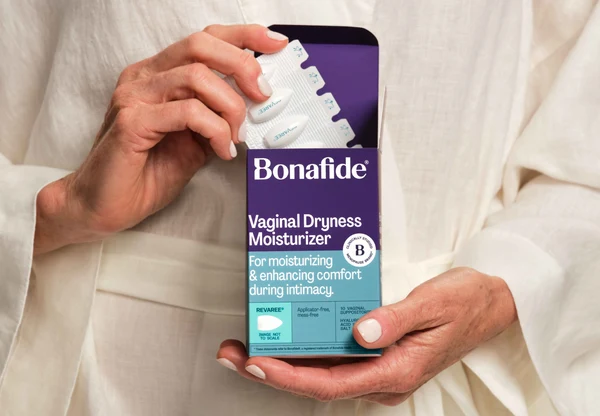
Although generally well tolerated, Revaree may cause mild side effects, including vaginal irritation, burning, itching, or discharge.
This article explains Revaree side effects, potential risks, allergic reactions, and safety precautions, including when to stop using the product and seek medical advice.
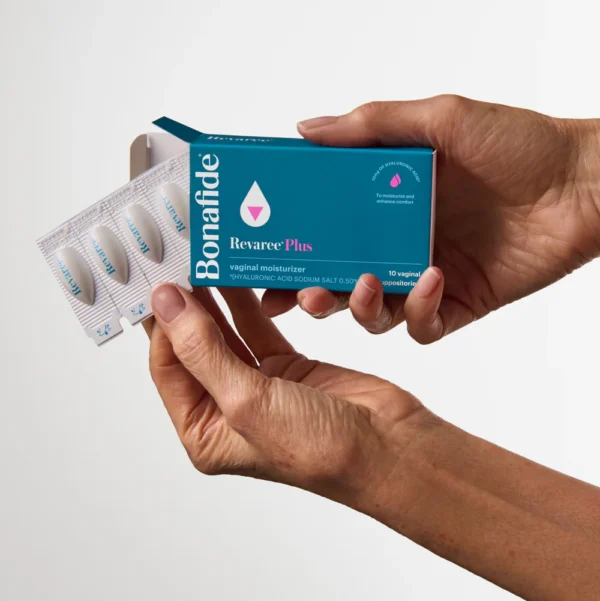
What Are the Common Side Effects of Revaree?
Revaree does not have a well-established list of common adverse reactions with published frequency estimates. Nevertheless, several local reactions are possible with vaginal moisturizers and inserts.
1. Vaginal irritation or burning
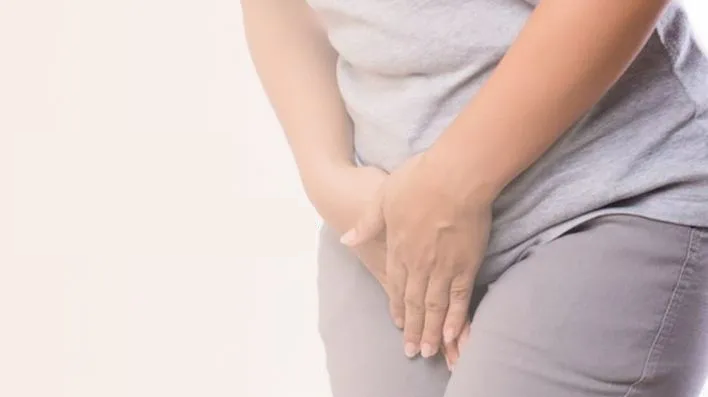
Some individuals may notice mild burning, stinging, or irritation after inserting a vaginal moisturizer.
This discomfort may be more noticeable when vaginal tissues are already dry, inflamed, or sensitive.
If burning persists, becomes painful, or worsens after repeated applications, discontinue Revaree and consult a healthcare professional.
2. Increased vaginal discharge
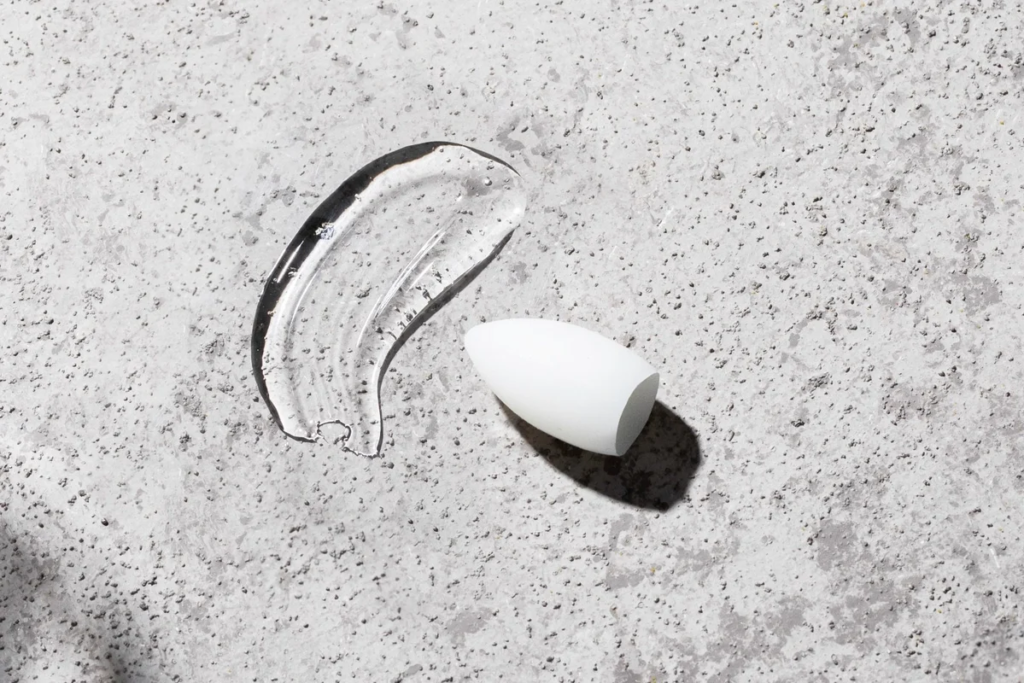
Revaree softens and spreads inside the vagina, which can cause some of the product to leak out.
Users may notice:
- Whitish or creamy residue
- Increased moisture in underwear
- Leakage after getting out of bed
This is not necessarily a harmful side effect. It may simply reflect the remaining product leaving the vagina.
However, discharge accompanied by an unpleasant odor, itching, pelvic pain, or an unusual color may indicate an infection requiring medical evaluation.
3. Vaginal itching
Although Revaree is intended to relieve dryness-related itching, new or worsening itching after application may indicate local irritation or sensitivity.
Persistent itching should not automatically be attributed to the moisturizer, since yeast infections, contact dermatitis, and other vaginal conditions can produce similar symptoms.
4. Local discomfort or sensitivity
Some individuals may experience temporary discomfort during insertion, particularly if vaginal tissues are fragile or severely dry.
Insertion should never be forced. Significant pain, bleeding, or ongoing discomfort requires medical attention.
These reactions are potential effects rather than side effects proven to occur commonly with Revaree. Reliable product-specific incidence rates are not available for each symptom.
Can Revaree Cause Serious Side Effects?

Serious adverse reactions have not been identified as common in the manufacturer’s published clinical information. However, certain symptoms should never be ignored.
Warning signs requiring medical attention include:
- Severe or persistent vaginal burning
- Significant swelling or painful irritation
- Unexpected vaginal bleeding, particularly after menopause
- Fever, pelvic pain, or foul-smelling discharge
- Widespread rash or hives
Sudden facial swelling, difficulty breathing, or throat tightness may indicate a severe allergic reaction and require emergency medical care.
Importantly, these symptoms do not necessarily mean Revaree caused the problem. They may indicate an underlying condition that needs investigation.
Can You Be Allergic to Revaree?
An allergic reaction to Revaree is possible, although its frequency is not established.
Hyaluronic acid is naturally present in the human body and is generally considered biocompatible. Nevertheless, sensitivity to a finished product or its additional ingredients can occur.
Possible signs of local sensitivity include redness, itching, burning, and swelling after application.
Anyone with a known allergy to an ingredient should avoid the product. If an allergic reaction is suspected, stop using Revaree and speak with a healthcare professional
Is Revaree Safe for Long-Term Use?
Revaree is designed for repeated use, and its hormone-free formulation makes it an option for individuals who prefer to avoid vaginal estrogen.
However, long-term safety should be considered individually, especially for people with ongoing vaginal symptoms, recurrent infections, unexplained bleeding, or complex medical histories.
The absence of serious adverse events in available clinical studies is reassuring, but it does not establish that the product is completely risk-free over every duration of use.
Individuals receiving treatment for cancer or other hormone-sensitive conditions should discuss persistent vaginal dryness and appropriate treatment options with their healthcare team.
How to Use Revaree Safely
Following the manufacturer’s instructions can help minimize leakage and insertion-related discomfort.
- Wash your hands before handling the insert.
- Remove one Revaree insert from its packaging.
- Gently place it inside the vagina while in a comfortable position.
- Remain lying down for approximately 30 minutes to reduce leakage.
- Repeat once every two to three nights, unless your healthcare provider recommends otherwise.
Bedtime application is recommended for convenience. Using additional inserts more frequently than directed is not necessarily more effective and could increase exposure to ingredients that cause irritation.
Bonafide also states that Revaree is not compatible with condoms. It should not be relied upon as contraception or protection against sexually transmitted infections.
Revaree vs. Vaginal Estrogen: Which Has Fewer Side Effects?
Revaree and vaginal estrogen treatments can both be used to manage vaginal dryness, but they work differently.
| Feature | Revaree | Vaginal estrogen |
|---|---|---|
| Contains hormones | No | Yes |
| Main action | Moisturizes and lubricates | Treats estrogen-related vaginal tissue changes |
| Possible local irritation | Yes | Yes |
| Systemic hormone exposure | Not expected | Usually low with low-dose vaginal formulations |
| Prescription required in the US | No | Generally yes |
| Best suited for | Nonhormonal moisture relief | Genitourinary symptoms of menopause when clinically appropriate |
Neither option is universally safer or more effective for everyone. The appropriate choice depends on symptoms, medical history, preferences, and the advice of a healthcare professional.
Final Thoughts: Is Revaree Safe?
Revaree offers a hormone-free approach to managing vaginal dryness and discomfort. Its hyaluronic acid formulation is intended to improve moisture without introducing estrogen, and the manufacturer reports no serious adverse events in its clinical studies.
Nevertheless, potential reactions such as vaginal irritation, itching, burning, or sensitivity should be taken seriously. Some discharge may simply be residual product, while persistent or unusual symptoms could indicate an infection or another medical condition.
For most users, the key is to follow the recommended application schedule, monitor any unexpected symptoms, and seek medical advice when discomfort persists. Revaree may be a useful nonhormonal option, but its suitability depends on individual circumstances.