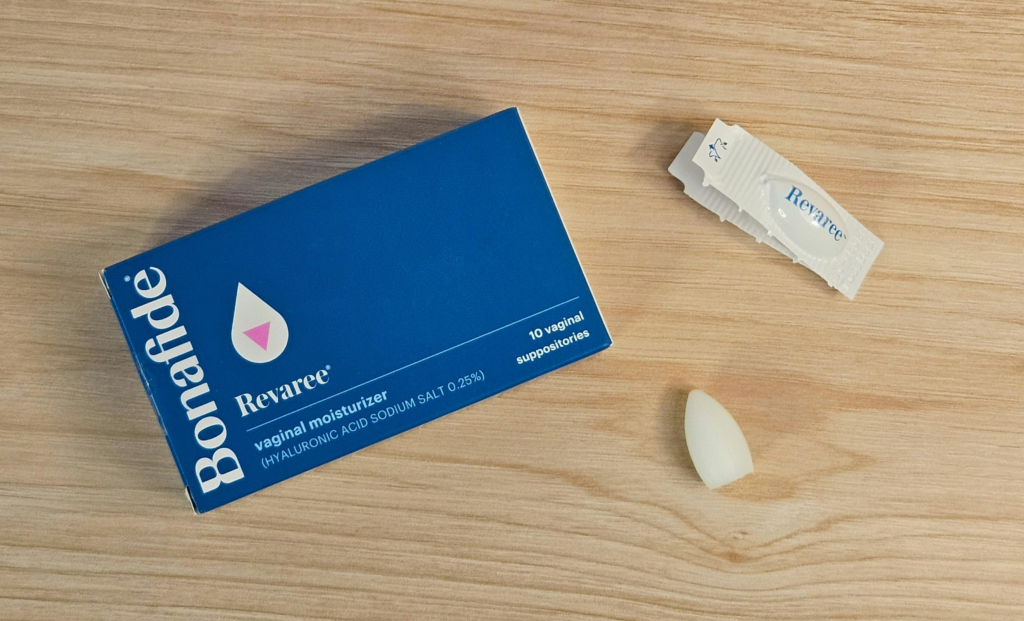
Revaree is not known to directly cause yeast infections, but some women may experience vaginal irritation, discharge, itching, or discomfort after using it. These symptoms can sometimes resemble those of a vaginal yeast infection, making it difficult to determine whether the product is responsible.
Understanding how Revaree works, whether it can contribute to vaginal infections, and how to distinguish irritation from a yeast infection can help women use the product more confidently.
Can Revaree Actually Cause a Yeast Infection?
There is currently no strong clinical evidence showing that Revaree directly causes vaginal yeast infections. Its main ingredient, hyaluronic acid, helps attract and retain moisture in vaginal tissues rather than promoting fungal growth.
A vaginal yeast infection, also called vulvovaginal candidiasis, occurs when Candida, a fungus naturally present in the body, grows excessively.
Several factors can contribute to yeast infections, including hormonal changes, antibiotic use, uncontrolled diabetes, pregnancy, and a weakened immune system.
Although Revaree is not an established cause, some women may notice symptoms after beginning treatment. This does not necessarily mean the moisturizer caused an infection.
For example, irritation from a vaginal product may produce itching or burning similar to yeast infection symptoms. An existing infection may also become noticeable around the same time Revaree is introduced.
Why Might Yeast Infection Symptoms Appear After Using Revaree?
Several explanations may account for vaginal discomfort following Revaree use.
1. Vaginal irritation or sensitivity
Some women may be sensitive to vaginal moisturizers or their ingredients. Even products designed for delicate vaginal tissues can occasionally cause irritation.
Possible symptoms include:
- Mild vaginal itching or burning
- Redness around the vaginal opening
- Temporary discomfort after insertion
- Increased sensitivity during intercourse
These reactions do not necessarily indicate a fungal infection.
2. Changes in vaginal discharge
Revaree is inserted into the vagina as a suppository, where it dissolves and releases its moisturizing ingredients.
As the suppository dissolves, some material may leak out and appear as vaginal discharge. This can be mistaken for abnormal discharge associated with an infection.
However, discharge from a vaginal moisturizer is not automatically a sign of yeast overgrowth.
3. Existing vaginal infections
A yeast infection may already be developing before a woman begins using Revaree.
Because vaginal dryness, irritation, and infections can produce overlapping symptoms, the timing may create the impression that Revaree caused the problem.
4. Menopausal changes
Women experiencing menopause often have lower estrogen levels, which can affect vaginal tissue and the vaginal microbiome.
These changes may contribute to dryness, irritation, and altered susceptibility to certain vaginal conditions.
Revaree helps address vaginal dryness but does not treat yeast infections or restore estrogen levels.
Revaree Side Effects vs. Yeast Infection Symptoms
Distinguishing ordinary product-related symptoms from a possible yeast infection is important.
| Symptom | Possible Revaree-related reaction | Yeast infection |
|---|---|---|
| Vaginal itching | Possible irritation | Common |
| Burning sensation | Possible sensitivity | Common |
| White discharge | May occur as suppository residue | Often thick and clumpy |
| Vaginal redness | Possible irritation | Common |
| Unusual odor | Not typical | Usually little or no strong odor |
| Pain during intercourse | May occur with irritation or dryness | Possible |
Symptoms alone cannot reliably confirm a yeast infection. Bacterial vaginosis, sexually transmitted infections, and other vaginal conditions can produce similar complaints.
Does Revaree Affect Vaginal pH?
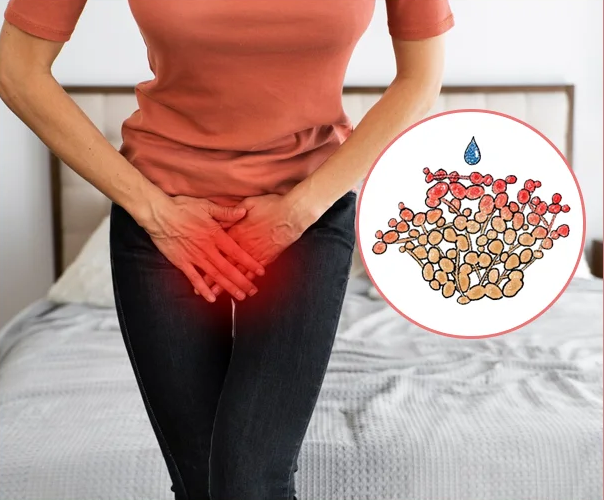
Vaginal pH plays an important role in maintaining a healthy vaginal environment. In reproductive-age women, vaginal pH is typically acidic, which helps support protective bacteria.
Revaree is formulated with hyaluronic acid to moisturize vaginal tissue. There is insufficient evidence that normal Revaree use causes clinically significant vaginal pH changes that lead to yeast infections.
It is also important to understand that vaginal yeast infections can occur even when vaginal pH remains within the normal acidic range.
Therefore, changes in vaginal pH should not automatically be blamed on Revaree when itching or discharge develops.
What Should You Do If You Suspect a Yeast Infection After Using Revaree?
If itching, burning, or unusual discharge develops after using Revaree, consider temporarily stopping the product until the cause becomes clearer.
Avoid inserting additional vaginal products or using scented washes, as these may worsen irritation.
If symptoms persist, worsen, or recur, consult a healthcare professional. A vaginal examination or laboratory test may be needed to distinguish a yeast infection from irritation or another condition.
If a yeast infection is confirmed, treatment commonly involves antifungal medications such as clotrimazole or miconazole. Oral fluconazole is another option in appropriate circumstances, but it is not suitable for everyone, particularly during pregnancy.
Revaree itself is not an antifungal medication and should not be used as a yeast infection treatment.
Can You Use Revaree While You Have a Yeast Infection?
It is generally advisable to consult a healthcare professional before continuing Revaree during an active vaginal yeast infection.
Although hyaluronic acid is not known to promote Candida growth, inserting a vaginal moisturizer into already irritated tissue may increase discomfort.
Additionally, using Revaree alongside vaginal antifungal medications could interfere with how those products are administered or retained. Specific compatibility data are limited.
For this reason, treating the infection first and discussing when to resume Revaree may be the most practical approach.
How to Reduce Vaginal Irritation While Using Revaree
Women who use Revaree for vaginal dryness can take several precautions to minimize discomfort.
Follow the manufacturer’s instructions regarding frequency and insertion. Revaree is commonly recommended once every two to three days, although individual recommendations may vary.
Wash your hands before inserting the suppository, and avoid combining it with unnecessary vaginal products.
Pay attention to changes in itching, burning, or discharge, particularly during the first few uses.
If discomfort repeatedly occurs shortly after insertion, stop using the product and seek medical advice rather than assuming the reaction is normal.
Is Revaree Safe for Women Prone to Yeast Infections?
Revaree may be an option for women who experience recurrent vaginal dryness and have a history of yeast infections. However, evidence specifically evaluating Revaree in women with recurrent vulvovaginal candidiasis is limited.
Hyaluronic acid is widely used in moisturizing products because of its water-retaining properties. It is not generally considered a substance that directly causes fungal infections.
Nevertheless, women with frequent yeast infections should discuss persistent or recurring symptoms with a healthcare professional. Recurrent infections may require testing to confirm the organism involved and identify contributing factors.
When Should You See a Doctor?
Seek medical evaluation if you experience persistent vaginal itching, thick white discharge, significant burning, or repeated symptoms after using Revaree.
Medical assessment is especially important if this is your first suspected yeast infection, you are pregnant, symptoms recur frequently, or over-the-counter treatment does not work.
Fever, pelvic pain, sores, or foul-smelling discharge also warrant medical attention because they may indicate a different condition.
Final Thoughts: Can Revaree Cause a Yeast Infection?
Revaree is not known to directly cause yeast infections, and there is no convincing evidence that its hyaluronic acid ingredient promotes vaginal yeast overgrowth.
However, some women may experience irritation, burning, itching, or discharge after using the product. These symptoms can resemble a yeast infection without necessarily indicating fungal growth.
If symptoms develop after starting Revaree, avoid automatically assuming the product caused an infection. Consider the possibility of sensitivity, suppository residue, or an unrelated vaginal condition.
For women experiencing vaginal dryness, Revaree can be a useful nonhormonal moisturizing option. Persistent or unusual symptoms should be evaluated by a healthcare professional to ensure appropriate treatment.
Related posts:
Is Revaree Safe? Understanding Its Benefits, Side Effects, and Risks
Do Gynecologists Recommend Revaree?
Where to Buy Revaree: Online Stores, Pharmacies, and Purchasing Options
Can You Use Revaree and Estradiol Together? Benefits, Safety, and How to Use Them